


 Yonge & Adelaide

Toronto, ON M5C 1T4

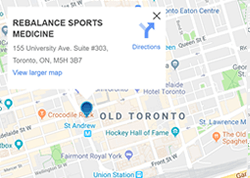
 University & King
Toronto, ON M5H 3B7
 HOURS
HOURSMonday:
7 AM - 6 PM
Tuesday:
7 AM - 6 PM
Wednesday:
7 AM - 6 PM
Thurdsday:
7 AM - 6 PM
Friday:
7 AM - 6 PM
Saturday:
Closed
Sunday:
Closed
Yonge & AdelaideUniversity & KingHOURS
Hormone Replacement Therapy (HRT) is offered at our 110 Yonge St location with our Naturopathic Doctor. HRT a medical treatment that replenishes or supplements hormones that our bodies are no longer producing naturally, and can be extremely beneficial in treating a plethora of symptoms that can occur during perimenopause or menopause.
Your naturopathic doctor will perform a thorough assessment, discuss all the benefits and risks of treatment, and determine the best option for your personal needs.
When a person heads into perimenopause or menopause, a discussion about Hormone Replacement Therapy (HRT) is warranted. As a Naturopathic Doctor in Downtown Toronto, I can prescribe both estrogen & progesterone to help during this phase of life when appropriate.
This used to be a scary topic of conversation, but there’s now a plethora of research demonstrating that HRT is safe and effective, and I think it can be a fantastic option for many people, and definitely worth exploring.
The discussion around Hormone Replacement Therapy (HRT), also known as Menopausal Hormone Therapy (MHT), continues to evolve. Recent research and clinical guidelines are offering a clearer, more nuanced understanding of who can benefit from HRT and how to manage the associated risks. The key takeaway? Treatment should be highly individualized.
For women suffering from menopausal symptoms, HRT remains the single most effective treatment.
1. Symptom Relief: HRT effectively manages common and often debilitating symptoms:
2. Bone Protection: Estrogen is vital for bone strength. HRT significantly improves bone density and reduces the risk of fractures, especially in women with premature or early menopause (before age 45) or those at high risk for osteoporosis.
3. Genitourinary Health: Local (vaginal) estrogen therapy is confirmed as safe and highly effective for treating:
4. Improved Quality of Life: Relief from severe symptoms can lead to:
Modern clinical practice emphasizes starting HRT early in the menopause transition, if appropriate, and tailoring the treatment to each woman’s specific profile.
The “Window of Opportunity”: Current international guidelines strongly support initiating HRT in healthy women who are under the age of 60 or within 10 years of their last menstrual period. In this “window,” the benefits are generally considered to outweigh the risks.
Duration of Use: There are no mandatory limits on how long a woman can use HRT. The duration should be based on a periodic, individualized assessment of her ongoing symptoms, benefits, and personal health risks but generally we try to keep it to under 5 years if possible.
Early Menopause: Women who experience menopause before age 45 are generally advised to use HRT until at least the average age of natural menopause (around age 51) to protect their bone and cardiovascular health.
Transdermal (Non-Oral) Estrogen Options: Patches and gels are preferred, particularly those at higher risk of blood clots (venous thromboembolism) or stroke, as these forms bypass the liver and are not associated with an increased risk of blood clots.
Form of Progestogen: For women with a uterus, progesterone is necessary to prevent endometrial cancer. Research suggests that the choice of progestogen (such as micronized progesterone) may have a more favorable risk profile than some synthetic progestins. This can come in pill format or via the use of an IUD.
Lowest Effective Dose: Clinicians aim to use the lowest effective dose for symptom control to minimize potential risks.
The fear of side effects, stemming largely from older studies, remains a barrier to treatment. However, recent findings offer a clearer picture.
Breast Cancer Risk: For women without a history of breast cancer, the risk increase is small (about 3-5 cases/1000 people) and is primarily seen with combined HRT (estrogen plus progesterone) used for more than five years. The risk increase is often comparable to other lifestyle factors, such as obesity or alcohol consumption. Vaginal estrogen is also an option for localized issues.
Blood Clots and Stroke: The risk of blood clots (DVT/PE) and stroke is mainly associated with oral estrogen tablets and is still very low, especially in women under 60. This risk is generally not increased with transdermal (patch & gel) forms of estrogen.
Breast Cancer Survivors: While systemic HRT is still rarely recommended due to a small increased risk of recurrence in hormone-receptor-positive cancers, the data suggests that for some patients with low-to-medium risk disease and severe, debilitating symptoms, the decision to use HRT for quality of life may be a reasonable, informed choice after extensive counseling with their healthcare team. Vaginal estrogen is considered generally safe for breast cancer survivors with localized symptoms.
If you are struggling with perimenopausal/menopausal symptoms, do not suffer in silence. The science is continually evolving, and a personalized approach to your menopausal care can significantly improve your health and quality of life.
I will always discuss the most regulated and well-researched options with you. Any decision to use hormone replacement is made collaboratively after a thorough review of your medical history, symptoms, and lab results, with a focus on using the lowest effective dose for the shortest duration necessary, as well as a discussion of any risks associated with taking or not taking HRT.
Last but not least, if you’re not into taking hormone therapy, I’ve got lots of other tools to help manage perimenopausal/menopausal symptoms – these may include diet changes, herbs, acupuncture, etc. That’s the joy of being a Naturopathic Doctor!
Ready to start your journey to hormone balance? Please reach out for a complimentary phone consultation or book an assessment today!
 Yonge & AdelaideUniversity & King
 What to Expect From Your First Physiotherapy Visit
 The Benefits of Fascial Stretch Therapy [Demo]
 How Does Physiotherapy Work?
 Best Exercises for Low Back Pain