


A muscle strain is a common injury that happens when muscle fibers rupture as a result of mechanical stress. Although often seen in hamstrings, quadriceps, calves, rotator cuff muscles and back […]
 Yonge & Adelaide


 University & King
 HOURS
HOURSA muscle strain is a common injury that happens when muscle fibers rupture as a result of mechanical stress. Although often seen in hamstrings, quadriceps, calves, rotator cuff muscles and back […]

The elbow joint consists of three bones: humerus (arm bone), radius and ulna (forearm bones). A dislocated elbow occurs when these bones are forced out of their normal position […]

Radiculopathy is a compression of one or more spinal nerve roots as it exits the spine. The compression causes dysfunction of the nerve and leads to tightness, pain, numbness or tingling […]

Total Knee Replacement (also known as Total Knee Arthroplasty) is a surgical procedure that replaces the existing knee joint with prosthetic components. […]

Skiers thumb is a term used to describe an injury that often happens to skiers during a fall, which results in an injury to the ulnar collateral ligament (UCL) of the thumb metacarpophalangeal joint. […]
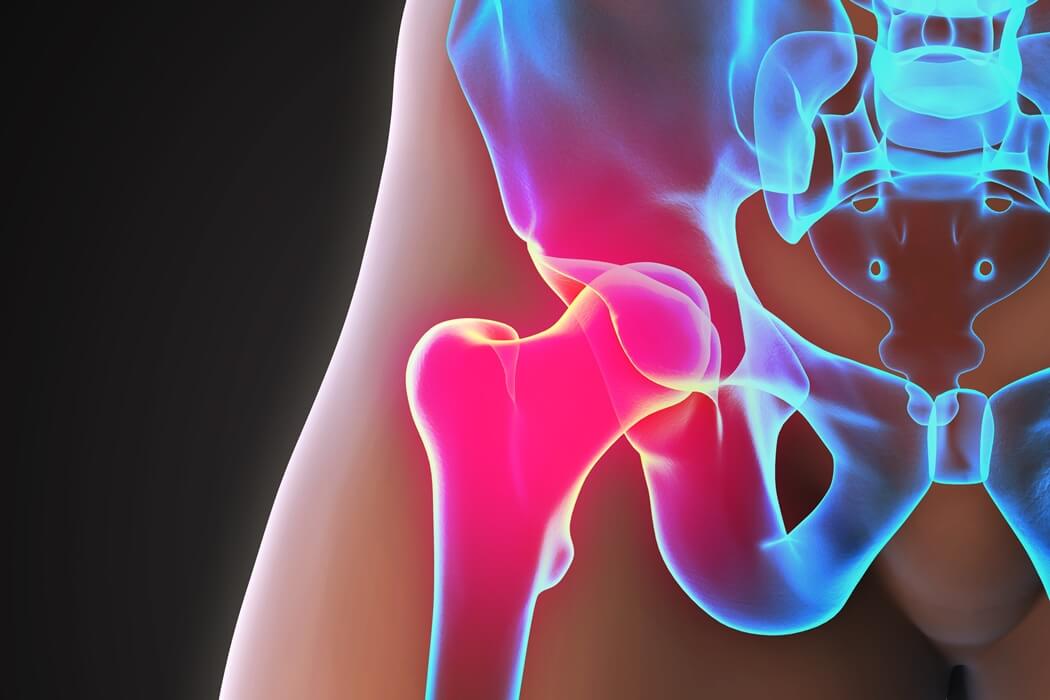
Labral tears often occur due to the high velocity trauma (MVA, falls, dislocations), Femoral acetabular impingement (FAI) or degeneration of the joint over time due to repetitive loading. […]

Electrolytes are molecules with an electric charge that increase fluid absorption and retention which can influence muscle and nerve function. When we sweat, we lose electrolytes, particularly sodium and chloride and lesser amounts of potassium, calcium, magnesium, and other minerals. […]

As gyms begin to re-open. returning to our pre-COVID workout regimens too quickly can have some unpleasant consequences. Risk of injury is high if exercise intensity or frequency are increased too quickly and the body is not given enough time to recover. […]

ACL stands for Anterior Cruciate Ligament which is one of the four main ligaments that stabilize the knee. When torn or injured it often means a long recovery period which could involve surgery or conservative therapies. […]

A Hypermobility Disorder (HD) is an umbrella term that generally describes someone who has hyper mobile joints with symptoms. A hyper mobile joint describes a joint that moves a greater than average range of motion. […]
 Yonge & AdelaideUniversity & King


 What to Expect From Your First Physiotherapy Visit
 The Benefits of Fascial Stretch Therapy [Demo]
 How Does Physiotherapy Work?
 Best Exercises for Low Back Pain